The Silent Fjords: Norway’s Most Remote Architecture Sanctuaries
Article Navigation
In the quiet corners of Northern Norway, a new wave of eco-conscious architects is crafting hideaways that honor the rugged wilderness while providing refined sanctuary.
1. Harmony with Arctic Elements
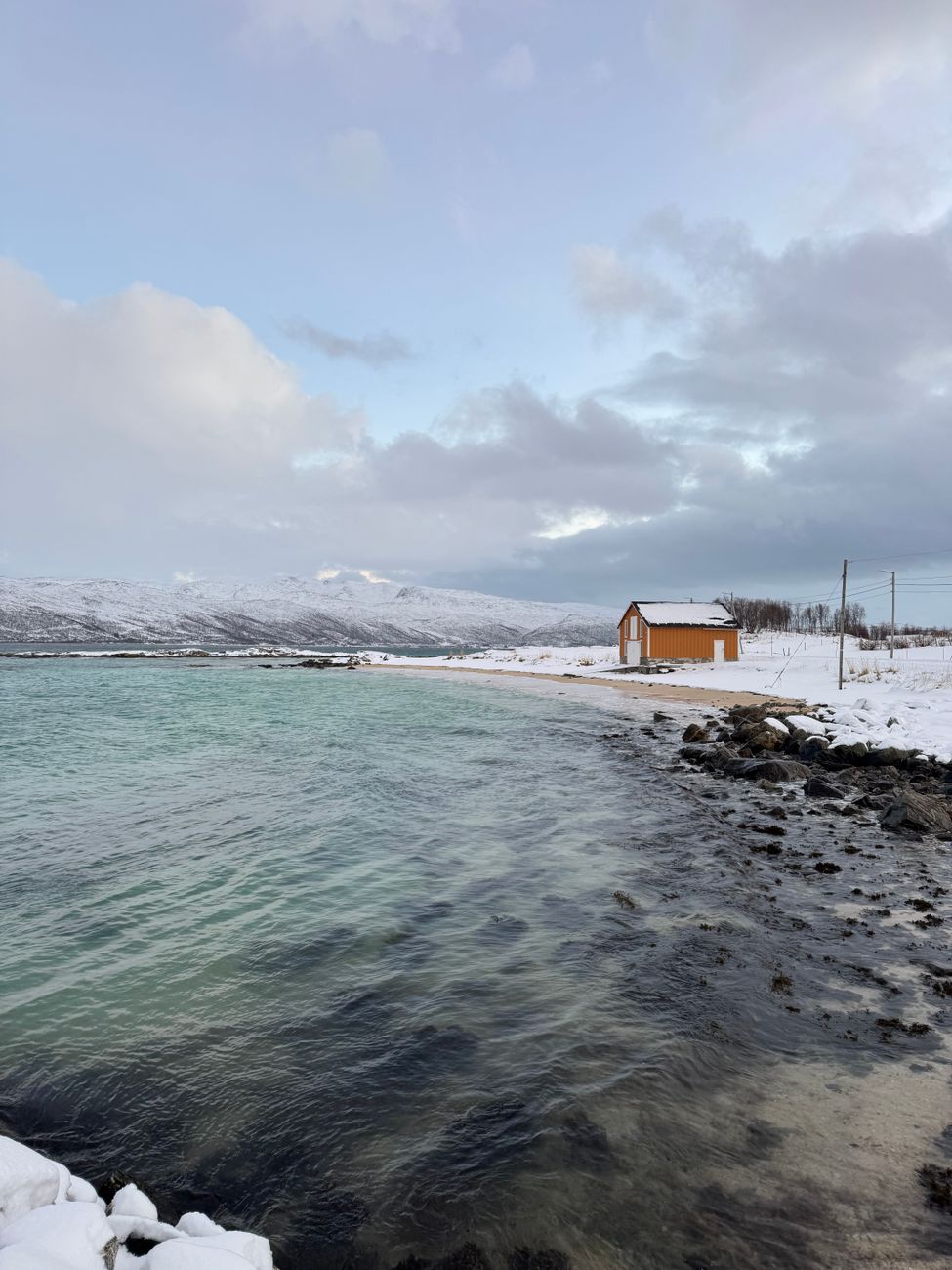
Far beyond the traditional timber huts that dot the Scandinavian landscape, modern architectural interventions in Norway prioritize invisible footprint and panoramic glass reflections. Set against towering granite monoliths and dark fjord waters, these structures blend seamlessly into their natural surroundings.
Using locally harvested pine, reclaimed slate, and triple-glazed floor-to-ceiling glass, travelers can observe polar weather phenomena, midnight suns, or northern lights from the warmth of a minimalist hearth.
2. The Philosophy of Minimalist Living
True luxury in these remote hideaways isn't measured by opulent embellishment, but by stillness. Unplugged from city noise, guests wake to the gentle slap of waves against coastal rocks and the crisp arctic breeze.
"Architecture should not dominate nature; it should act as a quiet lens through which nature can be fully felt."
Dining at these sanctuaries usually revolves around foraging—sea buckthorn, wild mushrooms, cold-water kelp, and freshly caught cod prepared over open pine flames.
3. Planning Your Northern Sanctuary Visit
Reaching these sanctuaries requires deliberate travel—often involving local electric ferry transfers or scenic coastal drives from Bodø or Tromsø. We recommend visiting during the shoulder months of September or April to experience the dramatic light transitions.
Inspired by Norway's Wild Coast?
Inquire with our concierge desk for access notes and private stay recommendations.
Contact Travel Desk